
Reading as a Measure of Life
Out Stealing HorsesBooks and imagined stories help Trond frame loss and identity, while the difference between literary resolution and lived uncertainty remains essential.
increasing Bearing strength in each event
 decreasing
Bearing strength in each eventdecreasingWestern Stories and the Horse
Western Stories and the Horse
An Imagined Crime
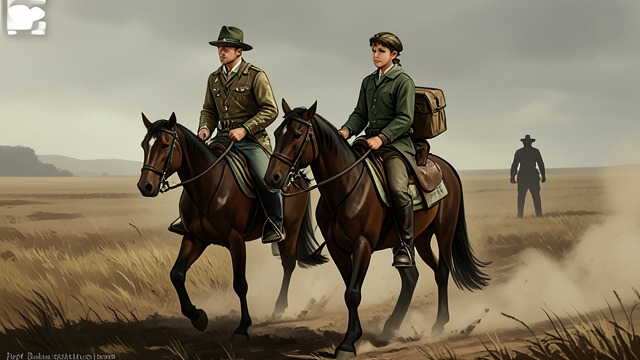
Trond and Jon call their ride stealing horses and imagine the law of the American West. Trond pictures a hanging as the consequence of being caught.
A Real Fall
The boys’ borrowed adventure proves less like a story than they expected. Trond is thrown from the horse and discovers pain, fear, and the limits of imitation.
The imagined genre makes danger exciting, but the body brings the episode back to reality. Trond begins to see that stories cannot control what happens.
The Film of a Farewell
The Film of a Farewell
A Familiar Scene
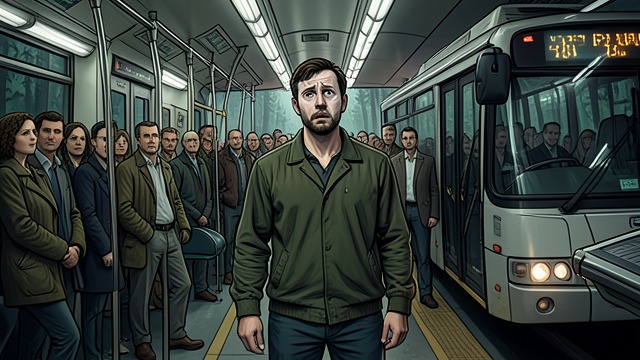
As the bus leaves, Trond imagines the departure as a film scene in which an audience understands the consequences before the character does. He pictures someone shouting at his father on his behalf.
The Missing Script
The boy himself does not know how the story will turn out. He runs up and down the bus aisle, unable to make sense of the farewell.
The imagined cinema gives adult Trond a language for anger, but it cannot make the boy’s ignorance disappear. Real life did not provide the audience with advance knowledge.
The Hero Question
The Hero Question
Ellen Remembers a Book
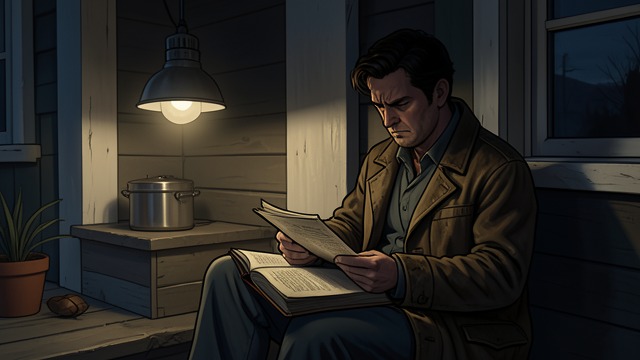
Ellen recalls her father reading Dickens and quotes the opening question of David Copperfield about who will be the hero of one’s life. As a child, she feared being displaced from her own story.
A Shared Unease
Trond recognizes that he has felt a similar fear: that someone else may occupy the life that should have been his. He has never asked Lars whether he took a place meant for him.
Literature gives father and daughter a way to approach feelings they have not discussed directly. The question connects their private fears without resolving them.
Dickens and Consolation
Dickens and Consolation
A Novel in the Night
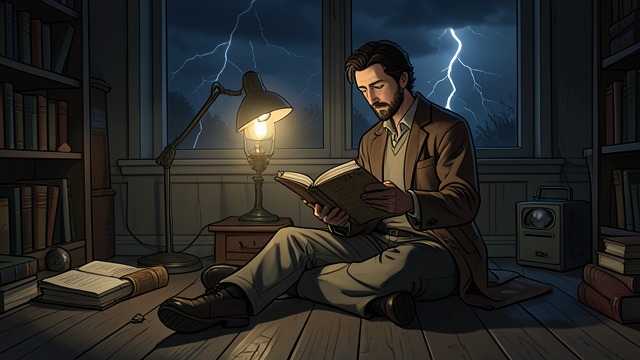
Trond reads A Tale of Two Cities during the storm. The novel offers a clear shape of sacrifice and an ending that can be understood.
A Contrast with Life
Trond knows that such narrative balance belongs to fiction, not necessarily to his own history. His father’s disappearance and Lars’s estrangement have no equivalent resolution.
Reading offers companionship and temporary order without repairing the past. Trond values the book while remaining aware that real lives do not always settle into a satisfying design.
The Mirror and the Self
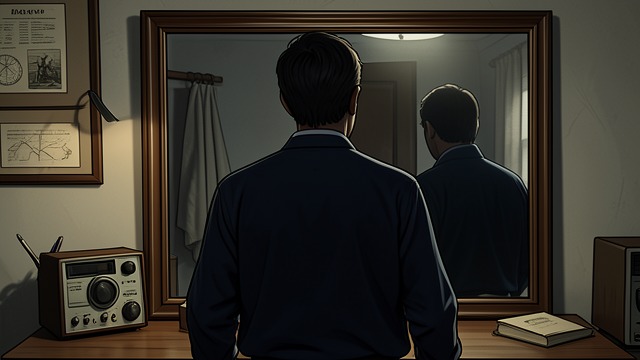
The Mirror and the Self
A Fear of Displacement
Trond dreams of his first wife and fears becoming the man in Magritte’s painting who sees only the back of his own head. The image suggests a self unable to recognize its own life.
A Question Without Closure
He wonders whether he has ever been the hero of his own story or whether another person has occupied his place. The fear echoes his unresolved questions about his father and Lars.
Art provides a striking image for an uncertainty Trond cannot settle through explanation. His identity remains something he must live rather than finally inspect from outside.
The horse ride in July 1948
At the bus stop in 1948
During Ellen’s visit in 1999
The snowy night after Lars’s visit
After Trond’s disturbing dream
